
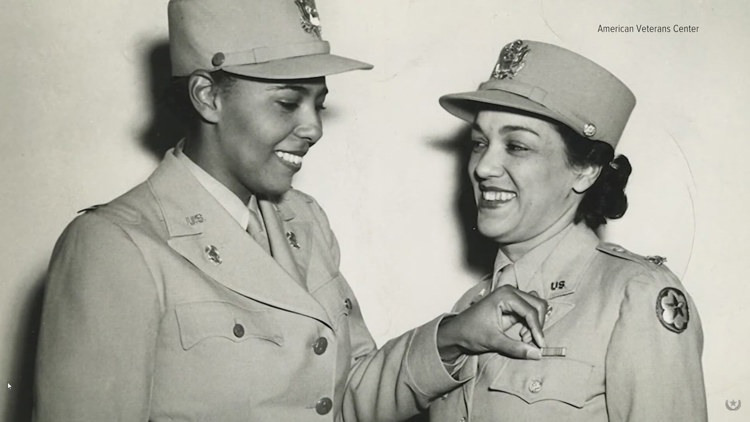
When we think about World War II our minds often turn to generals planning, soldiers storming beaches and world leaders determining the fate of countries. But elsewhere, behind the front lines of battle, a different kind of revolution was taking place. Quieter and less visible, it changed everything. It was a story about women who did work they’d never been given the opportunity to do. This altered not just the course of the war but American society at large. The women who worked, dreamed and suffered on the American home front are so often forgotten; Michael Wilson’s book Government Girls carefully tells their story. Set in 1942 in Washington, D.C., it follows four women —Mary, Marge, Dotty and Natalie — as they grapple with wartime stress, the difficulties of independence and the strength of friendship. Wilson’s stories remind us that while men were fighting in the trenches, women at home waged their own battles. They were arguing for equality, recognition, agency in their own destinies.
A war had made the country different.
The U.S. entered World War II by declaring war on Japan following the attack on Pearl Harbor on December 7, 1941. It was a speed the country had never witnessed. The draft had sent millions of men off to fight, emptying factories, offices and squares. Women were required to pick up the slack so that the country and its war machine could continue on. More women went to work in America (for the first time in American history, many would say). They were more than just nurses, teachers and secretaries; they’d also been welders, codebreakers, pilots, engineers and clerks in government offices. By 1945, more than 19 million women were employed outside the home (a 57 percent increase from 1940). “Government girls” was how the thousands of women who migrated to Washington, D.C., to work for the government were categorized. The city, once a sleepy place for government business, was bustling during the war. There were plenty of young women in neatly pressed skirts and sensible shoes who lived in apartments, boarding houses and cafeterias. They wrote reports, typed memos and sorted through the mountains of paperwork generated by the war.
Brave All Day: From Kindergarten to the FBI
Mary and Marge from Government Girls are two examples of this enormous trend of women working for the federal government. They were born teachers in small towns in Iowa, and now they are F.B.I. fingerprint clerks. Their decision might not sound like a big one, at least compared with tales of spying or battlefield heroics, but it takes quite a bit of courage to make that choice. It was 1942 and women were supposed to marry early, raise babies and lead a restricted life largely confined to the house. The common belief was that it was wrong to leave home and go live and work, alone, in a big city. Yet thousands of women did it. They boarded trains heading for Washington, Detroit or San Francisco. They came with suitcases of hope, and often fear for what was next. The story of Mary and Marge is about how brave women can be when they become part of something great. It might have looked dull to take fingerprints, keep records and see that everything was secure, but it was essential to the smooth running of intelligence and defense in the war. They were not soldiers, but their role in the war was no less vital.
Women of Color at War: Image and Reality in Wartime America Overcoming Obstacles
The routes of each woman were unique. For women of colour, the war introduced fresh opportunities and familiar workplace issues. Racial segregation was still rampant and Black women faced displays of discrimination even from their own country when they offered to serve. Dotty, a gifted Black musician from New York City, provides a case in point for this tension in Wilson’s book. She ditches her all-girl jazz band and arrives in Washington, where she finds work as a secretary in a government office. It’s both an emblem of hope and a weapon in her fight against a world that still tries to hold her back. Many real women who smashed through barriers during the war have tales like Dotty’s. The National Advisory Committee for Aeronautics (NACA), the precursor to Nasa, employed Black women in positions where they used their abilities as mathematicians, like Katherine Johnson and Dorothy Vaughan. Their efforts would be crucial for the space program. Women like Dotty managed to crack open a space for themselves in defense factories and offices by being determined, competent and quietly rebellious. These women’s stories remind us that the battle for equality in our own country was linked to the struggle for liberty elsewhere.
Nothing but people who dream And do and have hope.
It was not just go and you gotta do what you gotta do war years, but follow your dreams war years as well. Natalie is a quirky artist, far from Hollywood, girl who wants to make it in Government Girls. She represents that creative spirit that held on when things were at their very worst. Her imagination, laughter and stubborn hope remind the other women — and the reader — that beauty and self-expression are important even when things are terrible. During World War II art, music and stories made people feel better — and hopeful. Women exchanged letters, painted murals and acted in plays during USO shows or at local theaters. They discovered how to build lives that were happy and full of meaning in the midst of doubt. Natalie’s character stands for all the dreamers who refused to let the war stop them from shining.
Sisterhood in a Time of Upheaval
If there’s one theme that stands out in Government Girls, it is friendship. Mary, Marge, Dotty and Natalie are four very different women who become very close as they eat, laugh and cry together in a dilapidated boarding house. Their sisterhood is akin to the genuine community women once enjoyed during the war. Because it was the first time either had lived away from home, they supported one another emotionally as well as in practical matters. They supported each other as they coped with the stress of war, long hours at work and loneliness. But in a world that has not always made room for them, they also found strength and support in one another. These unions — fictional as well as real — were the beginning of a larger shift in the world. In their common struggles, women found a strength that made them feel like they belonged to something greater than race, class or region. This unification opened the path for women’s rights movements of years to come. Shifting what constitutes heroism One of the most fascinating things about Government Girls is how it actually alters what we think of as heroes. No generals or spies are in the thick of it, and no secret missions or daring rescues. Instead there are women who work as clerks and artists and teachers every day. They are courageous, and they don’t flaunt it. It’s a refusal to give up, to be nice and have the guts turn over. These women wrote reports, filed data and otherwise made certain information was being kept out there to aid in the war effort. This would not have been possible without them, so we’re definitely grateful.
The “Government Girls” and Their Impact
A lot of women were told — after the war was over in 1945, and they said, Go home Mignon — it’s an old song but they sang it in those days, give your job to a soldier that’s coming back. Some did, but many others did not. It was hard to strip them of some independence they had won during the war. And also that women could do more than anyone had ever thought,” the “Government Girls” and their sisters who worked in factories and on airfields had demonstrated. They did much more than work behind the counter. They began a change in the way of thinking that will be good for years to come. Women who went to work in World War II preceded the feminist movements of the 1960s and ’70s, women’s leadership rise and ongoing fight for equality.
Conclusion:
Government Girls tells us that not all of the people who lead armies or sign treaties write history. People who show up, work like hell and do so with hope: they are the ones who end up writing it. Mary, Marge, Dotty and Natalie may not have been people, but their stories are the stories of millions of women whose quiet revolutions helped remake America for good.” They were mothers, daughters, dreamers and doers. They proved the human spirit is resilient and that it can’t be stamped out, even during wartime.